Steel Building Construction: Types, Cost, Benefits & Best Construction Company.
Explore everything about steel building construction, including types of steel building construction, cost factors, benefits, applications, and how to choose the right steel building construction company for long-term value.
The construction industry is undergoing a major transformation driven by the demand for faster execution, superior durability, and sustainable building practices. Traditional construction methods, while reliable, often struggle to meet modern requirements of scalability, efficiency, and cost optimization. This is where steel building construction has emerged as a preferred solution across industrial, commercial, and infrastructure sectors.
Steel-based structures are known for their exceptional strength-to-weight ratio, design flexibility, and rapid installation capabilities. From massive industrial warehouses to high-rise commercial buildings, steel has become a cornerstone material for contemporary construction projects. This detailed guide explores its fundamentals, structural types, cost considerations, industry applications, and how to select the right service provider.
What Is Steel-Based Building Construction?
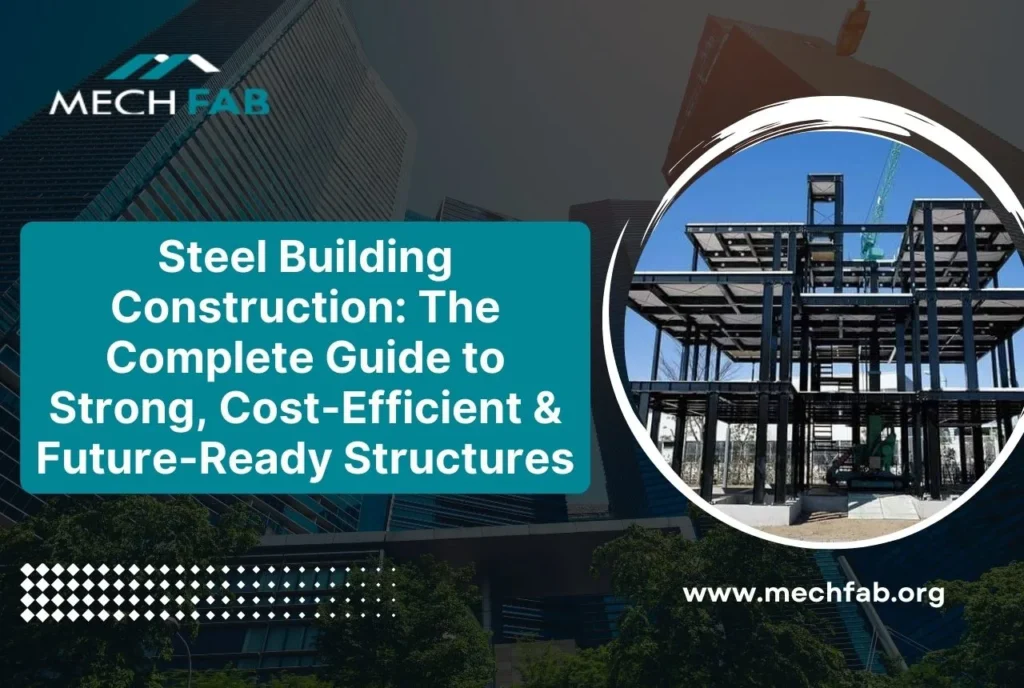
This construction method uses structural steel as the primary load-bearing framework of a building. The steel components are manufactured in controlled factory environments and then transported to the site for assembly. This ensures precision engineering, uniform quality, and reduced material wastage.
Unlike conventional concrete construction, steel structures allow for large column-free spaces, higher load capacity, and easier modifications. Steel building construction is particularly suitable for projects that demand speed, scalability, and long-term operational efficiency.
Key Advantages of Steel Structures
The increasing preference for steel structures is supported by a wide range of technical and economic advantages:
1. Faster Project Completion
Prefabrication significantly reduces construction timelines. On-site work is limited to assembly, enabling quicker occupancy and faster return on investment.
2. High Structural Strength
Steel offers superior tensile strength, making buildings resistant to heavy loads, earthquakes, and harsh weather conditions.
3. Design Flexibility
Steel allows innovative architectural designs, long spans, and vertical expansions without compromising stability.
4. Sustainability and Environmental Benefits
Steel is recyclable and reusable, reducing environmental impact and supporting green building initiatives.
5. Long-Term Cost Efficiency
Lower maintenance, durability, and reduced construction delays contribute to overall cost savings.
Types of Steel Building Construction
Understanding the types of steel building construction helps in selecting the most suitable system based on project requirements, budget, and usage.
Pre-Engineered Buildings (PEB)
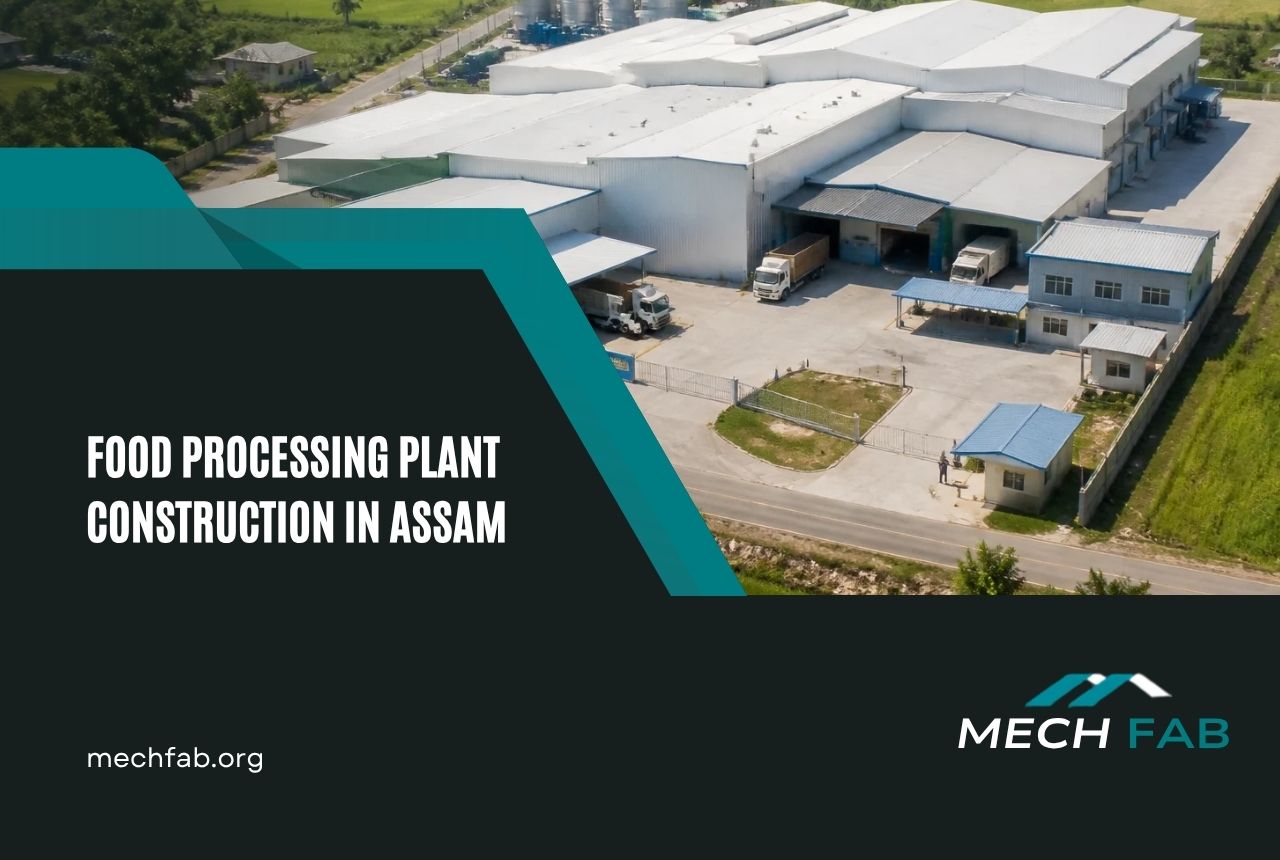
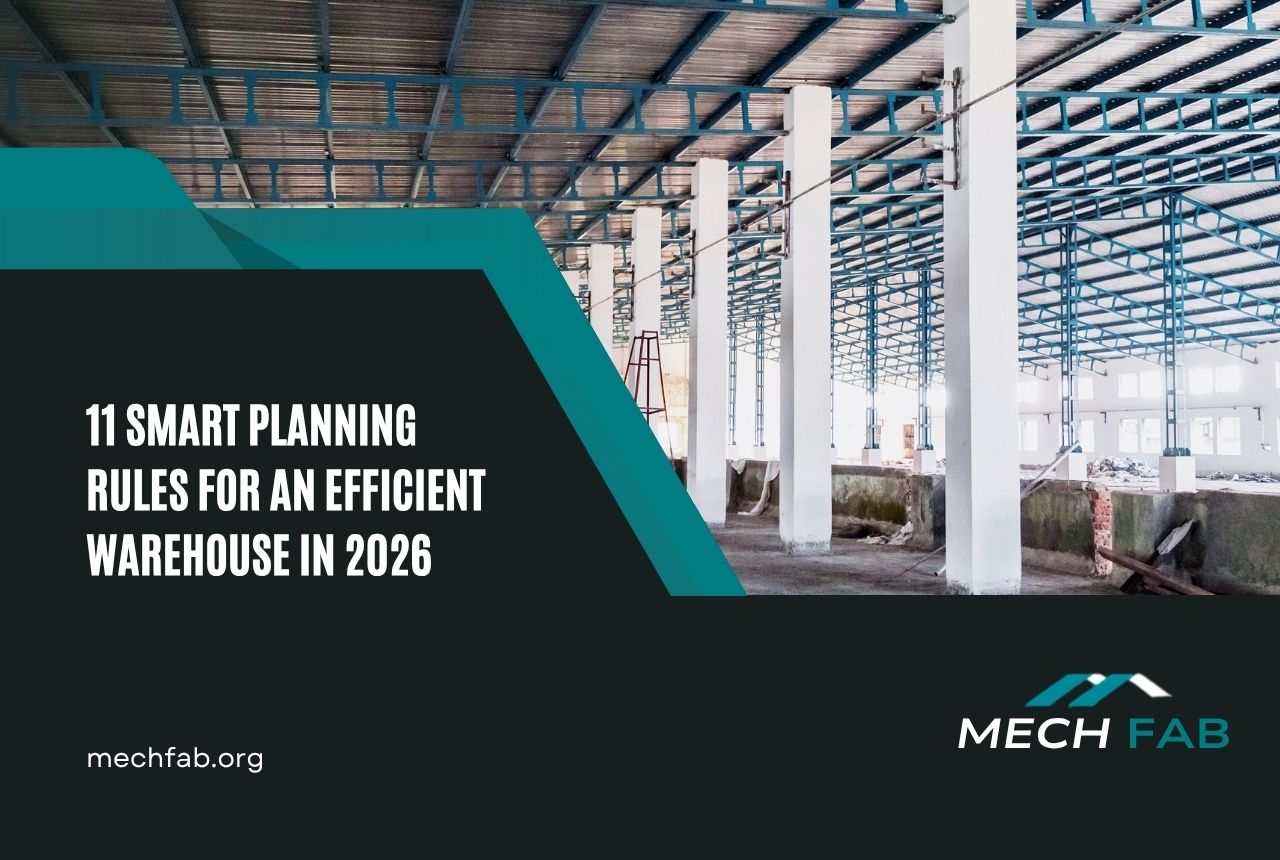
These are factory-designed and fabricated building systems delivered as complete kits. PEBs are widely used for industrial sheds, warehouses, manufacturing plants, and logistics hubs due to their cost-effectiveness and quick installation.
Conventional Steel Structures
These structures use hot-rolled steel sections assembled on-site. They are ideal for multi-storey buildings, commercial complexes, bridges, and infrastructure projects that require custom architectural designs.
Light Gauge Steel Structures
Light gauge steel is commonly used for low-rise residential buildings, schools, and modular construction. It offers precision, reduced material usage, and excellent thermal performance.
Hybrid Steel Systems
Hybrid structures combine steel with concrete or other materials to achieve optimized performance, cost balance, and aesthetic appeal.
Each type serves specific functional and structural needs, making steel a versatile choice across industries.
Steel Building Construction Cost: Detailed Breakdown
Understanding steel building construction cost is essential for effective financial planning. The overall cost depends on multiple technical and logistical factors:
Material Selection
The grade, thickness, and type of steel used significantly influence pricing. Market fluctuations in steel prices also impact project budgets.
Design and Engineering
Complex designs, higher load requirements, and custom specifications increase engineering and fabrication costs.
Fabrication and Logistics
Factory fabrication standards, surface treatments (galvanizing, painting), and transportation distance affect total expenditure.
Foundation and Site Conditions
Soil quality, foundation depth, and site accessibility play a crucial role in determining construction costs.
Installation and Labor
Although steel construction reduces labor time, skilled professionals are required for safe and accurate erection.
While the upfront investment may seem higher, steel structures deliver long-term savings through reduced maintenance, faster completion, and operational efficiency.
Applications Across Industries
Steel structures are widely adopted across diverse sectors due to their adaptability and performance:
- Industrial manufacturing units and factories
- Warehouses and distribution centers
- Commercial office buildings and retail complexes
- Airports, railway stations, and metro infrastructure
- Educational institutions and healthcare facilities
- Agricultural buildings and cold storage units
The ability to customize layouts and expand structures makes steel ideal for both small-scale and large-scale developments.
How to Choose the Right Steel Building Construction Company
Partnering with a reliable steel building construction company ensures project success, safety compliance, and long-term durability.
Important Factors to Evaluate:
- Proven experience and completed project portfolio
- In-house design, engineering, and fabrication capabilities
- Compliance with national and international building codes
- Strong project management and execution teams
- Post-construction support and maintenance guidance
A professional company provides end-to-end solutions, from conceptual design to final erection, ensuring quality control at every stage.
Future of Steel-Based Construction
Technological advancements such as Building Information Modeling (BIM), automation, and sustainable coatings are enhancing the efficiency of steel structures. Modular construction, energy-efficient cladding systems, and fire-resistant technologies are shaping the future of the industry.
Governments and private developers increasingly favor steel systems for rapid urbanization, infrastructure expansion, and environmentally responsible construction practices.
Conclusion: Building Stronger and Smarter with Steel
As construction demands evolve, steel building construction continues to set new benchmarks in strength, efficiency, and sustainability.
Its versatility across industries, predictable timelines, and long-term economic benefits make it an ideal solution for modern infrastructure needs.
By understanding structural options, cost factors, and selecting the right experts, businesses can unlock the full potential of steel-based buildings. With continuous innovation and growing adoption, steel building construction remains a future-proof investment for durable and scalable development.