
Learn about the types of pre engineered buildings, their unique designs, structural advantages, and how they’re transforming industrial, commercial, and agricultural sectors.
In the evolving world of construction, industries are increasingly seeking solutions that combine speed, efficiency, durability, and cost-effectiveness. This is where pre engineered building structures have made a remarkable impact. Designed with precision, fabricated off-site, and assembled quickly on-site, these buildings are transforming industrial, commercial, and institutional construction.
Understanding the types of pre engineered buildings and their applications is essential for businesses looking to optimize infrastructure while minimizing costs. In this blog, we explore the various types of PEB structures, their advantages, and how pre building engineering ensures long-lasting and versatile solutions for diverse industries.
What is a Pre Engineered Building?
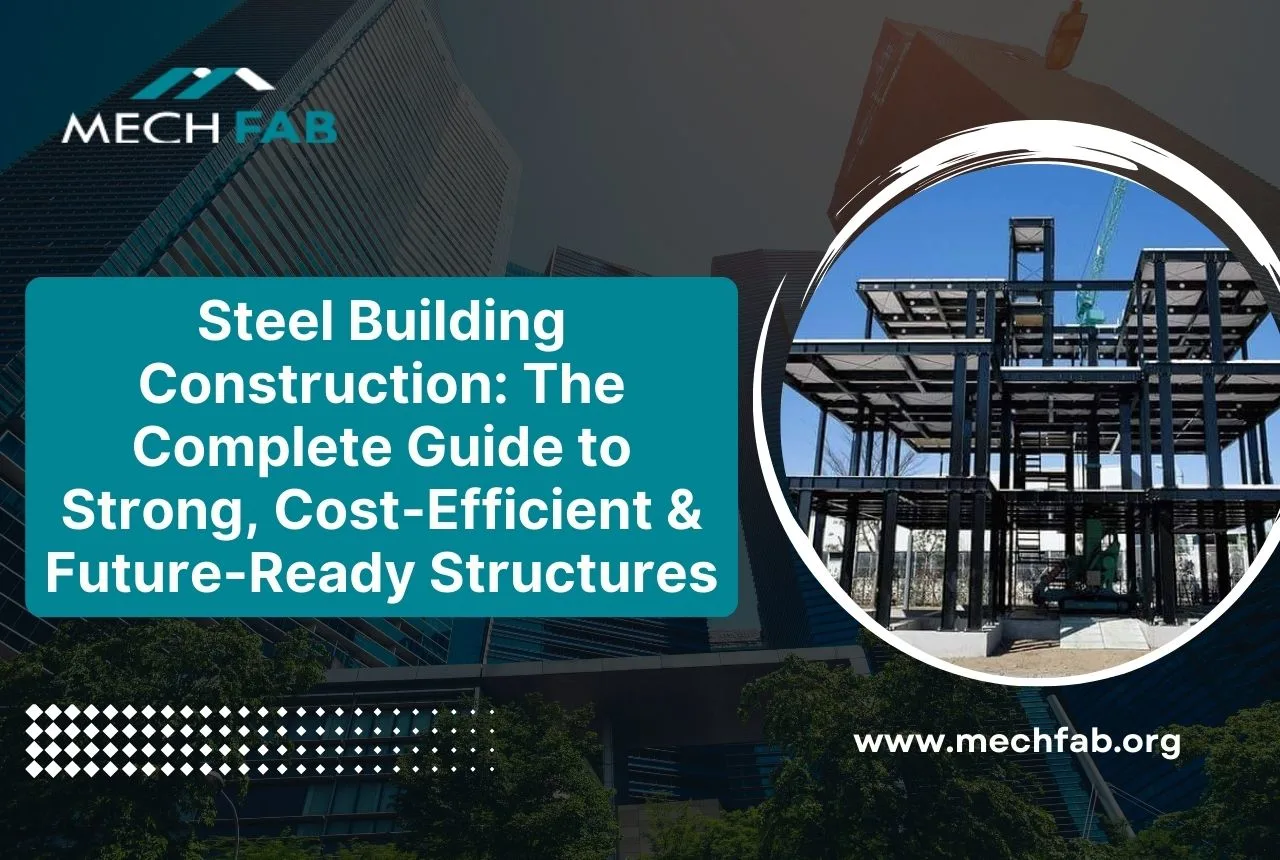
A pre engineered building structure is a steel framework where individual components are designed, fabricated, and pre-assembled in a factory before being transported to the construction site. This approach significantly differs from traditional construction, which relies heavily on on-site assembly.
The core of pre building engineering involves meticulous planning, structural analysis, and modular design. Each component — from primary frames to roofing panels- is engineered for precision, strength, and ease of installation. This ensures faster construction, reduced labor costs, minimal material wastage, and superior structural integrity.
Pre engineered building design is highly flexible, allowing architects and engineers to customize buildings to meet the unique requirements of various industries- from large manufacturing plants to commercial spaces and agricultural units.
Why Industries Prefer Pre Engineered Buildings
PEBs are increasingly popular because they offer a combination of efficiency, flexibility, and durability. Key advantages include:
- Cost Efficiency: The off-site fabrication process reduces material wastage and labor costs.
- Time-Saving: Assembly on-site is faster, which is ideal for industries aiming for quick operational setup.
- Flexibility and Expansion: Modular designs allow businesses to expand their facilities easily in the future.
- Durability: Steel-framed pre engineered building structures can withstand harsh weather, heavy loads, and seismic activity.
- Energy Efficiency: Modern PEBs incorporate insulated panels and sustainable materials, reducing energy consumption.
- Customizable Designs: Pre engineered building designs can be tailored for specific functional, aesthetic, and industry requirements.
Understanding the Types of Pre Engineered Buildings
PEBs are designed to meet the demands of different industries. Below is a detailed exploration of the types of pre engineered buildings:
1. Industrial Pre Engineered Buildings
Industrial PEBs are primarily used for manufacturing units, warehouses, factories, and heavy machinery setups. These buildings often feature:
- Large open floor plans
- High ceilings for material handling
- Heavy-duty steel frames
Industries like automotive, electronics, and FMCG frequently utilize these types of PEB structures because they provide a cost-effective, durable, and scalable solution.
2. Commercial Pre Engineered Buildings
Commercial PEBs include office complexes, shopping malls, and retail outlets. The pre engineered building design focuses on combining functionality with modern aesthetics. Key features include:
- Expansive spaces without internal columns
- Glass facades and modern architectural finishes
- Quick installation and modular expansion
Retail businesses and commercial enterprises prefer PEBs for their blend of style, flexibility, and rapid deployment.
3. Institutional Pre Engineered Buildings
Schools, hospitals, government offices, and educational institutions are increasingly adopting PEBs. Institutional PEBs offer:
- Safety-compliant structures
- Ample natural lighting and ventilation
- Ease of expansion for future needs
Through pre-building engineering, these buildings can meet stringent design and safety standards while remaining cost-effective.
4. Agricultural Pre Engineered Buildings
Agricultural industries benefit from PEBs for applications such as:
- Grain storage and barns
- Poultry and livestock housing
- Greenhouses and cold storage
Agricultural pre engineered building structures are designed to withstand environmental stress, maintain temperature and ventilation control, and maximize storage efficiency.
5. Sports and Recreational PEBs
PEBs are ideal for constructing sports arenas, indoor stadiums, and recreational facilities due to their ability to span large areas without internal support columns. Benefits include:
- Wide, column-free spaces for spectators and players
- Lightweight yet strong structures
- Customizable layouts for specific sports requirements
Pre building engineering ensures structural stability while allowing innovative and functional designs for recreational use.
6. Cold Storage and Warehouse PEBs
Warehouses, distribution centers, and cold storage units rely heavily on PEB solutions. Features include:
- Insulated walls and roofs for temperature control
- Easy installation of shelving, refrigeration, and loading systems
- Optimized layout for storage efficiency
Industries such as pharmaceuticals, food processing, and FMCG prefer PEBs for their durability, flexibility, and energy efficiency.
Components of a Pre Engineered Building Structure
To understand why PEBs are so efficient, it’s important to know their core components:
- Primary Frames: Steel structures that provide the main support
- Secondary Frames: Purlins and girts that hold roofing and wall panels
- Roofing and Wall Panels: Steel or insulated materials for energy efficiency
- Fasteners and Connections: Precision-engineered joints for quick assembly
- Doors, Windows, and Skylights: Customized to suit functional and aesthetic needs
By leveraging pre building engineering, these components are designed to work seamlessly together, ensuring a reliable and long-lasting pre engineered building structure.
Applications Across Industries
The versatility of PEBs allows them to serve multiple sectors:
- Automotive and Manufacturing: For assembly lines, factories, and storage units
- Commercial Spaces: For shopping malls, offices, and exhibition centers
- Healthcare and Education: For hospitals, clinics, and schools
- Agriculture: For barns, storage facilities, and greenhouses
- Recreation and Sports: For indoor stadiums and recreational complexes
By understanding the types of PEB structures, businesses can select designs that meet specific operational and functional needs.
Future Trends in Pre Engineered Buildings
The future of pre engineered building design is closely tied to technological advancements:
- Sustainable Materials: Eco-friendly steel, insulation, and roofing materials
- Automation and Smart Systems: Integration of HVAC, lighting, and security systems
- Rapid Modular Construction: Faster on-site assembly through advanced modular components
- Customizable and Scalable Designs: Buildings that can grow with the business
Pre building engineering continues to evolve, making PEBs the preferred choice for industries aiming for efficiency, sustainability, and flexibility.
Final Thoughts
In today’s fast-paced industrial landscape, pre engineered building structures offer unmatched advantages in speed, durability, and cost efficiency. From industrial factories to commercial complexes, agricultural facilities, and recreational arenas, types of pre engineered buildings provide versatile solutions for diverse sectors.
By embracing pre-building engineering and modern pre engineered building designs, businesses can construct high-quality, scalable, and energy-efficient buildings that meet today’s operational needs while preparing for future growth. With their flexibility, speed of construction, and long-term benefits, PEBs continue to redefine modern construction practices across industries.